Patent on iPhone to Satellite Communications at Sea
Scott built the first router to put an iPhone on a satellite link — patented bandwidth filtering made a 2.4K connection usable at sea, powering four iOS apps still running today.
About Coastal Environmental
Coastal Environmental delivered weather information to vessels at sea through custom radio antennas and Windows-based onboard systems — critical data for people whose safety depends on knowing what the ocean is about to do.
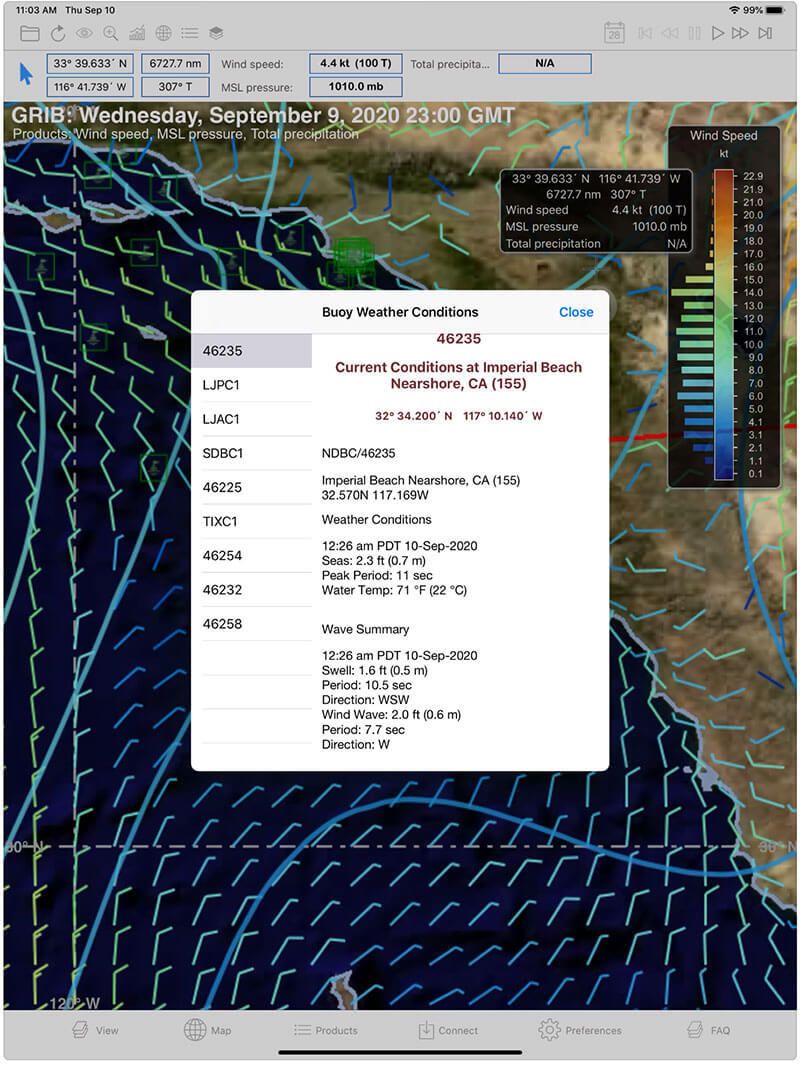
Then the iPhone arrived, and mariners started asking an obvious question: why can't I use this out there? The answer was satellite bandwidth — roughly 2.4 kilobits per second, slow enough that a single background app update could choke the entire connection. Offshore, that connection isn't a convenience. It's the only line back to land, which meant whatever bridged the iPhone to the satellite had to work, every time, with zero waste.
What we did
Long before Nullwest existed, Scott was solving this at Coastal Environmental — and the solution became a U.S. patent.
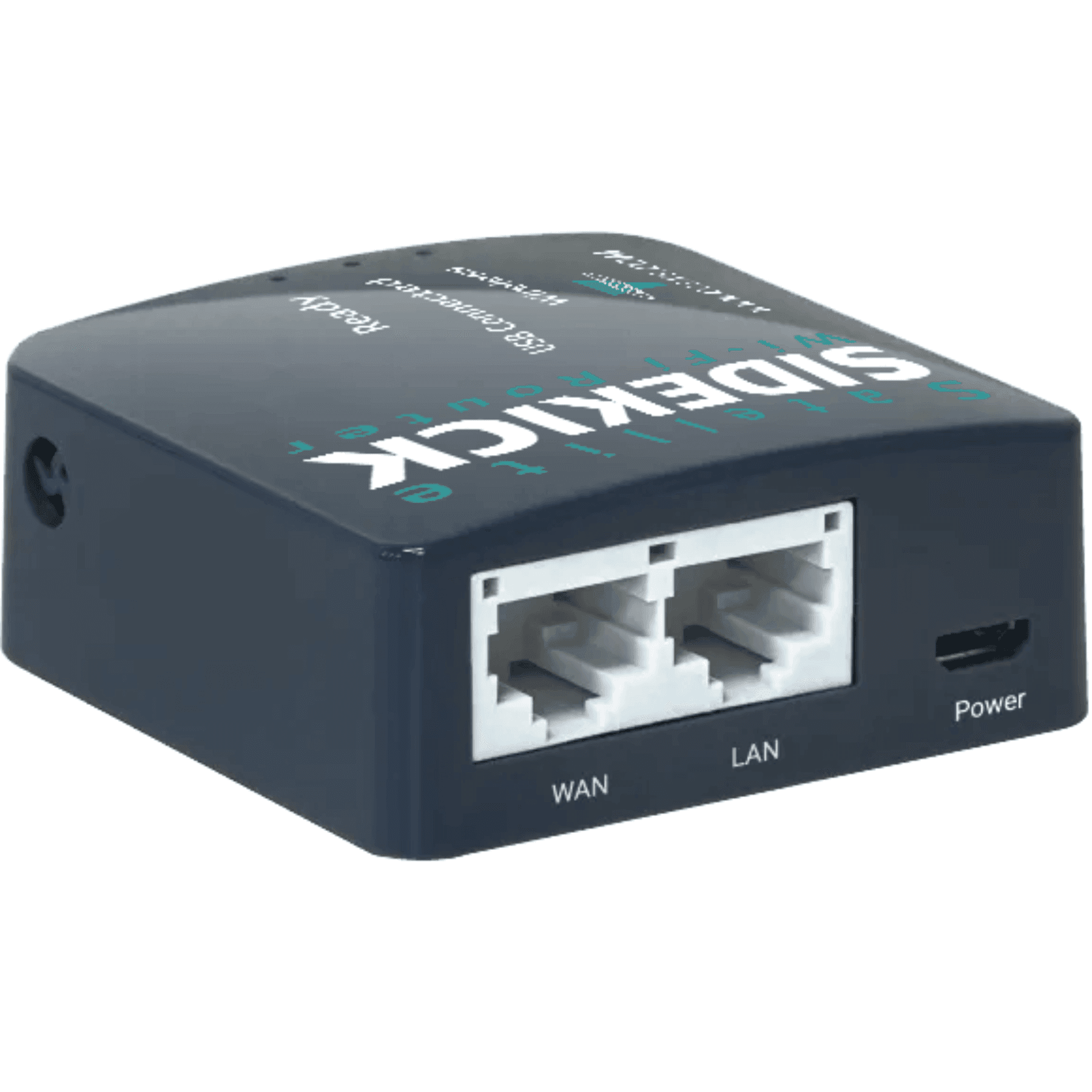
- Built the first router to connect an iPhone to a satellite phone, starting with a wired prototype: Lightning cable to DB9 serial connector - Designed and prototyped a wireless routing device — iPhone connects over Wi-Fi, router connects to the satellite device over serial - Engineered the full communication flow: AT commands to dial the satellite device, establish the data connection, and stand up a PPP tunnel - Wrote the bandwidth filtering layer that blocked all nonessential traffic — OS updates, background chatter — so only the intended application's data touched the satellite link - Took the device from prototype through manufacturing in Hong Kong
Hardware prototyping, low-level networking, protocol work, and a consumer-grade user experience on top — all from one engineer. That range is the experience Nullwest was founded on.
The hard parts (and how we handled them)
At 2.4 kilobits per second, every byte has to earn its place. A modern phone is noisy by design — update checks, sync traffic, telemetry — and any of it could clog a satellite link thin enough to make dial-up look fast. Scott's router didn't try to manage that traffic; it blocked it. Everything except the intended application's data was filtered out before it could touch the satellite connection. That single decision is what made the link usable at all, and it's the core of the patent: Compound Content Delivery via a Restricted Bandwidth Communication Channel.
New platforms don't wait for your industry to catch up. The iPhone was built for Wi-Fi and cellular networks; marine satellite gear spoke serial and AT commands — technologies separated by decades. Rather than wait for the satellite industry to modernize, Scott built the bridge himself: Wi-Fi on one side, serial on the other, with the router translating between them and managing the PPP tunnel in the middle.
Hardware that ships is hardware you can't patch. Software forgives mistakes; manufactured devices don't. Moving from a cabled prototype to a wireless production device manufactured in Hong Kong meant the routing, dialing, and filtering logic had to be right before it left the factory — on hardware destined for boats, far from anyone who could service it.
The outcome
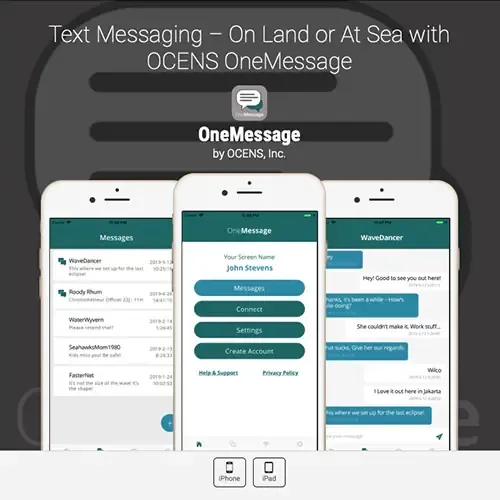
The work was granted a U.S. patent — Compound Content Delivery via a Restricted Bandwidth Communication Channel, filed December 14, 2016 — and it became a platform: four iOS applications were built on top of it, and all four are still in use today. [Optional: app names, user counts, or vessel counts here if available.]
Building where consumer devices meet constrained, legacy, or unforgiving infrastructure? The engineer who first put an iPhone on a satellite link — and patented how — is a founder of Nullwest, alongside work for Spotify, Vice, Intel, and Xembly. Let's talk about yours.